IV Vitamin Therapy & Injections
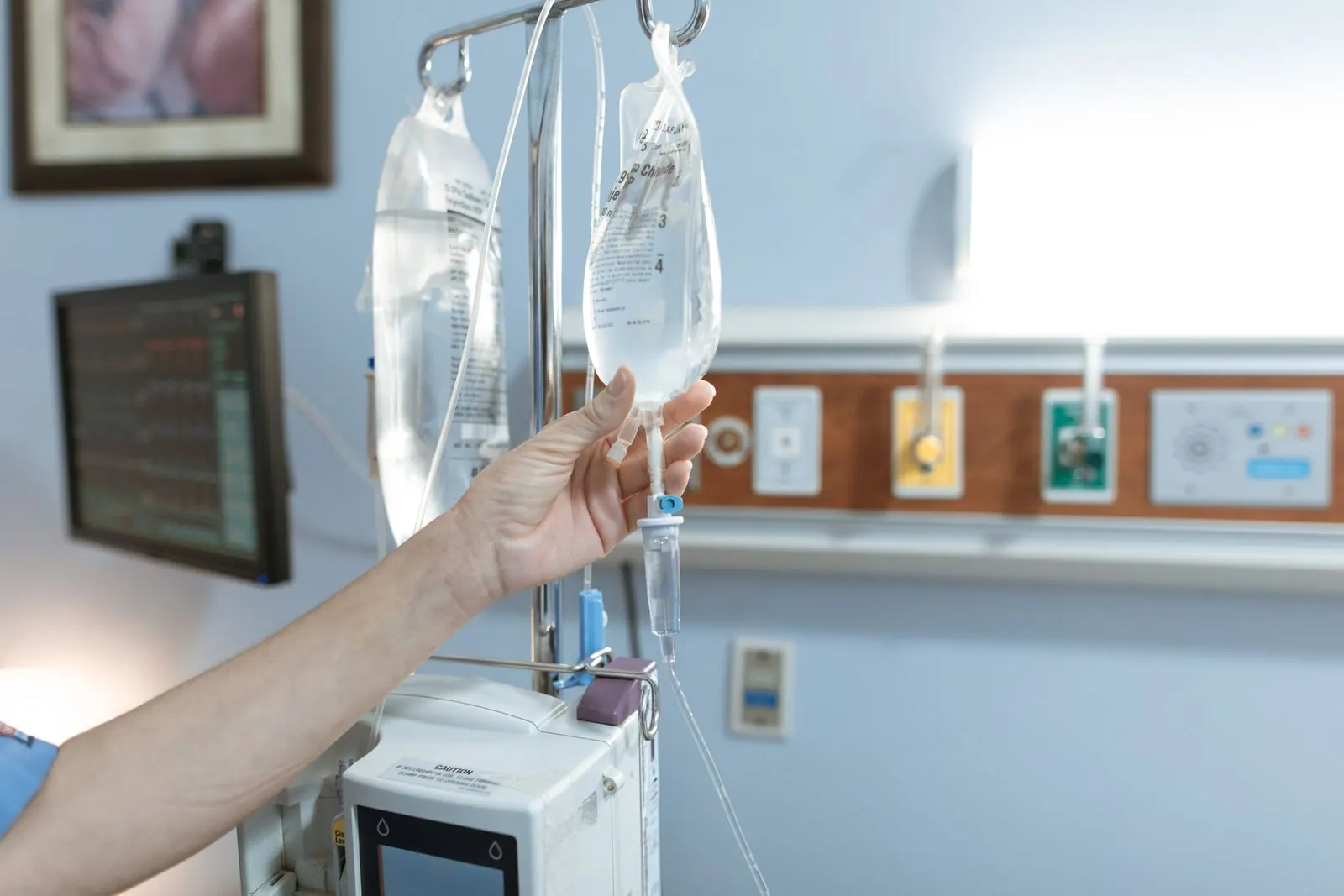
Body - Hydration - Vitamin Support
IV hydration, vitamin infusions, and vitamin injections, provided after a medical review.
Ask About IV TherapyIV therapy delivers fluids, electrolytes, and vitamins directly into a vein, so they reach your bloodstream right away. It can help when you are dehydrated, for example after illness, heat exposure, or intense exercise. Vitamin injections, such as vitamin B12, are an established treatment for people who are low in that vitamin.
For healthy people who eat a balanced diet, there is limited scientific evidence that routine vitamin infusions boost energy or immunity. Your provider will help you decide what makes sense for your situation.
Potential benefits
Possible side effects
Most people tolerate IV therapy well. Possible side effects include bruising or soreness at the needle site, vein irritation, fluid leaking into the surrounding tissue, lightheadedness, and, rarely, infection or allergic reaction. Giving too much fluid can be harmful for people with heart or kidney problems, which is why screening matters.
Who may be interested
- Adults who are mildly dehydrated after illness, heat, travel, or exercise
- Patients with a confirmed vitamin deficiency, such as low B12
- People who have trouble absorbing certain vitamins by mouth
- Patients who want IV therapy screened and supervised by a medical team
What to expect
Health screening
We review your health history, medications, allergies, and goals, and check your vital signs.
Choosing a treatment
Your provider recommends fluids, a vitamin infusion, or an injection based on your needs, and may suggest labs.
Treatment
An IV is placed or an injection is given. Infusions usually take 30 to 60 minutes.
Aftercare
You are monitored and given guidance on what to watch for afterward.